
For years, Subway seemed untouchable. At one point it was everywhere. You could find a Subway in gas stations, Walmart stores, airports, hospitals, and almost every small town in America. It became one of the largest restaurant chains in the world by expanding faster than almost anyone else.
Today, the story looks different.
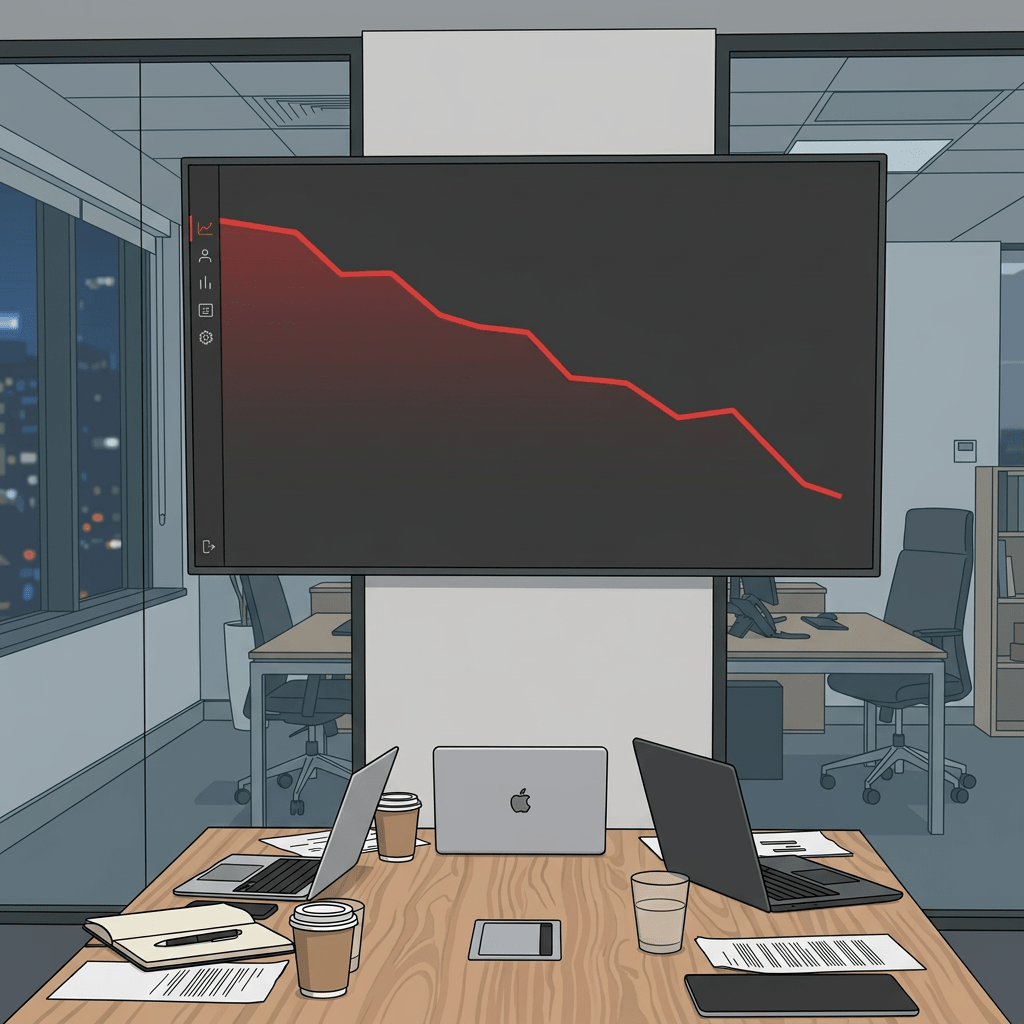
Subway is still a massive company, but its decline didn’t happen overnight. It happened gradually through years of small decisions that slowly weakened the brand. That’s what makes Subway such an interesting case study for leaders. Most businesses don’t fail because of one catastrophic mistake. They fail because they ignore small problems until they become impossible to ignore.
One of the biggest lessons is that growth alone isn’t a strategy.
Subway reached more than 27,000 U.S. locations in 2015. Since then, the company has spent years shrinking its footprint, dropping below 20,000 U.S. restaurants after closing hundreds of locations year after year. In 2024 alone, Subway closed a net 631 U.S. restaurants as it continued reducing underperforming stores.
On paper, having more restaurants sounds like success. In reality, too many locations can create internal competition, reduce franchise profitability, and make it harder to maintain consistent standards.
The challenge wasn’t just that Subway had a lot of restaurants. It was where many of those restaurants ended up. Franchisees were often encouraged to open locations close to existing stores, sometimes competing with other Subway operators for the same customers. While the company continued collecting franchise fees and royalties, individual restaurant sales became diluted in many markets. When stores begin taking business from one another instead of attracting new customers, everyone feels the pressure. Lower sales make it harder to invest in remodels, retain great employees, and maintain the guest experience that keeps people coming back.
Then came a series of events that further damaged consumer confidence.
In 2015, longtime spokesperson Jared Fogle pleaded guilty to charges involving child exploitation after spending years as the face of Subway’s marketing. Although the company immediately cut ties with him, the damage to the brand was significant because his personal story had become closely associated with Subway’s identity. The controversy forced the company to distance itself from one of the most recognizable advertising campaigns in restaurant history.
Several years later, Subway faced another public relations challenge when lawsuits questioned whether its tuna products contained the ingredients customers expected. While the legal claims evolved over time and testing produced conflicting conclusions, the headlines alone created doubt in the minds of many consumers. In the restaurant industry, perception can be just as important as reality. Once customers begin questioning quality or transparency, rebuilding trust becomes an uphill battle.
Another lesson is that execution matters just as much as innovation.
Over the years, competitors like Jersey Mike’s, Firehouse Subs, and Jimmy John’s invested heavily in food quality, customer experience, and stronger brand identities. Meanwhile Subway struggled with inconsistent restaurant conditions, aging stores, changing promotions, and uneven franchise performance. Customers don’t always notice one bad decision, but they absolutely notice years of inconsistent experiences.
This doesn’t mean Subway has stood still. The company has invested in remodeled restaurants, updated its menu, expanded internationally, and continues working to modernize the brand. Those are positive steps, but rebuilding customer trust is much harder than maintaining it in the first place.
None of these issues alone explain Subway’s decline. Oversaturation, operational inconsistency, increased competition, leadership changes, and public controversies all added weight over time. That’s an important lesson for leaders. Organizations rarely lose momentum because of one bad decision. More often, it’s the cumulative effect of many unresolved problems that slowly erodes a once-great brand.
The lesson for managers is simple.
Don’t wait for problems to become obvious.
If employee turnover is creeping up, address it now. If cleanliness standards are slipping, fix them now. If guests are giving the same feedback over and over, listen before it becomes your reputation.
Operational excellence isn’t built through one big decision; It’s built through hundreds of small ones repeated every day.
As leaders, our job is to build systems that keep great performance from slipping in the first place.
Another way to think about this case study is that every organization has a trust account with its customers. Every great experience makes a deposit. Every inconsistency, controversy, or neglected standard makes a withdrawal. Subway didn’t lose that trust all at once. It spent years making withdrawals faster than it made deposits.
Sources: Subway Franchise Disclosure Document (2025), as reported by QSR Magazine; Restaurant Business.
 AYVO Academy
Leave a comment